

Meridian Financial Services Issues Timeshare Collection Communication Guidance
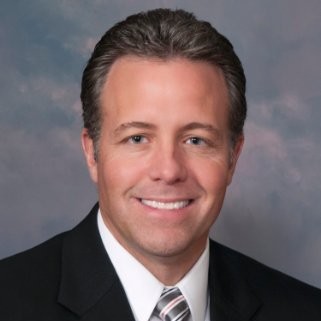
Gregory Shepherd, Chief Executive Officer
Meridian Financial Services
Guidelines Help Timeshare Associations Strengthen Collection Strategies as Economic Pressures Continue and Delinquency Risk Increases
Delinquency rarely begins with an unwillingness to pay. It begins with silence. Associations that communicate early and professionally are the ones that recover balances and keep owners engaged.”
ASHEVILLE, NC, UNITED STATES, June 11, 2026 /EINPresswire.com/ -- By Sara Disher Ratliff, CCCO — Gregory Shepard, CEO. Meridian Financial Services
For timeshare associations, maintaining consistent collection performance has always required balance. Associations must protect the financial stability of the resort while also recognizing that owners may experience financial challenges that affect their ability to remain current on maintenance fees and assessments. As economic pressures continue affecting households across the country, that balance is becoming increasingly important.
Higher insurance premiums, increased utility costs, elevated consumer debt, inflationary pressure, and rising everyday living expenses continue to impact many owners. While many remain current without issue, others may begin prioritizing other financial obligations ahead of vacation ownership expenses.
For associations, these conditions may increase the risk of delinquency over time if proactive collection strategies are not implemented early.
Recognizing Early Warning Signs
Many associations are already beginning to observe subtle changes in owner payment behavior. Payments that historically arrived on time may become delayed. Owners who previously paid annual balances in full may begin requesting installment arrangements or making partial payments instead. Associations may also begin seeing increases in broken payment arrangements, returned payments, or owners becoming less responsive after years of consistent communication.
These indicators do not necessarily signal widespread default activity, but they often reflect growing financial pressure within portions of the ownership base. Associations that recognize these trends early are generally in a stronger position to manage delinquency activity before balances escalate further.
The Importance of Early Communication
One of the most effective collection strategies begins before an account becomes seriously delinquent. Early communication allows associations to address issues while balances remain manageable. Delays in communication often increase the likelihood that balances will continue growing beyond what owners feel capable of resolving.
Clear billing schedules, timely reminders, and consistent communication help reinforce expectations while reducing confusion. Owners who understand due dates, late fee structures, available payment options, and collection timelines are generally more likely to remain engaged and responsive throughout the process.
Professional Communication Matters
The tone of collection communications plays a significant role in owner response. Communication that appears inconsistent, overly aggressive, or unclear may increase frustration and disengagement. At the same time, communication that lacks professionalism or consistency may weaken the association's authority and delay recovery efforts.
Professional, direct, and respectful communication often produces stronger long-term results. Owners are more likely to engage when notices clearly explain balances owed, outline next steps, and maintain a professional tone throughout the collection process. The objective is not simply to demand payment. The objective is to encourage resolution while reinforcing the importance of each owner's financial obligations to the association and the shared ownership community as a whole.
Structured Payment Solutions
Financial hardship does not always reflect an unwillingness to pay. In many situations, owners simply need temporary flexibility to manage short-term financial strain. Structured payment arrangements can help associations recover balances while keeping owners engaged with the resort community.
Well-defined payment programs should include clear terms, documented expectations, and consistent application. Flexibility may support recovery efforts, but consistency remains equally important in maintaining fairness across the ownership base.
Digital Communication and Accessibility
Digital communication tools continue playing an increasingly important role in modern collection strategies. Email reminders, online payment portals, text notifications, ACH options, recurring payment programs, and electronic statements can improve response rates and simplify the payment process for owners.
Convenient and accessible payment options often help reduce barriers to resolution and improve overall engagement.
Balancing Recovery with Owner Relations
Timeshare associations face a unique challenge because owners are not simply customers. They are members of a shared ownership community. Collection strategies must therefore balance financial enforcement with long-term relationship management and operational stability.
The most effective communication strategies emphasize professionalism, consistency, transparency, and accountability. Collection activity is not punitive. It is necessary to protect the financial health of the association and ensure that the costs of maintaining the resort are fairly distributed among all owners.
A Proactive Approach Moving Forward
As economic pressures continue affecting both associations and owners, proactive communication and consistent collection practices will remain critical to maintaining financial stability. Associations that prioritize early outreach, structured policies, professional communication, and operational consistency are often better positioned to manage delinquency activity and support stronger long-term recovery outcomes.
Meridian Financial Services works with timeshare associations, boards, and management teams to develop collection communication strategies tailored to the unique structure of shared ownership communities. By combining operational consistency, regulatory awareness, and professional communication practices, Meridian helps associations strengthen recovery efforts while maintaining productive owner relationships during periods of increasing financial pressure.
To Start a Conversation, Contact:
Gregory Shepherd, Chief Executive Officer
Meridian Financial Services
+1 828-575-5179
gsheperd@Merid.com
Legal Disclaimer:
EIN Presswire provides this news content "as is" without warranty of any kind. We do not accept any responsibility or liability for the accuracy, content, images, videos, licenses, completeness, legality, or reliability of the information contained in this article. If you have any complaints or copyright issues related to this article, kindly contact the author above.
