

Breaking the Crisis: Closed-Loop Logistics for US Residential Construction
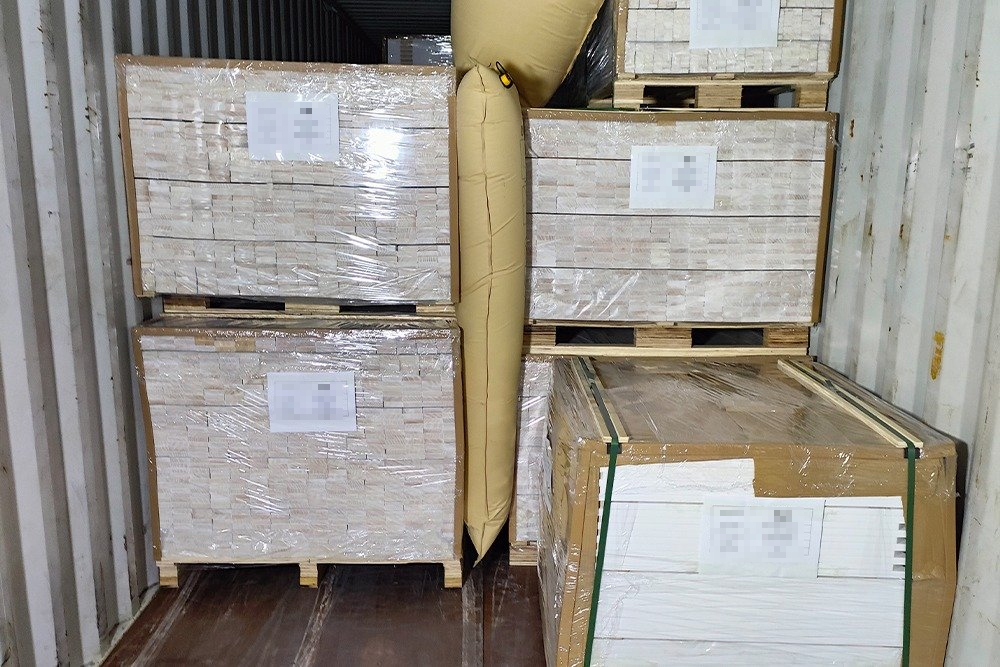

Facing 2025's volatility, US builders adopt closed-loop, door-to-door delivery to control costs and ensure on-time completion.
TX, UNITED STATES, January 23, 2026 /EINPresswire.com/ -- Facing continuous global supply chain volatility in 2025, the U.S. residential construction industry is undergoing a profound transformation in logistics and procurement. Squeezed by the dual pressures of soaring raw material prices and transportation bottlenecks, the traditional model of fragmented procurement is proving unsustainable. Consequently, a "closed-loop supply chain management" model, centered on "full-process control," is emerging as a critical strategy for builders to control costs and reclaim their construction schedules.Pain Points: Surging Costs and Schedule Instability
Despite the global economic recovery, industry challenges persist. Data from the first quarter of 2025 highlights three major pressures facing the market:
1. Soaring Material Costs: Prices for lumber and steel have risen by approximately 10-12% year-over-year.
2. Rising Hidden Expenses: Due to tariff fluctuations, procurement costs for certain imported materials have climbed by roughly 15%.
3. Normalized Delays: Logistics uncertainty has extended average project cycles by 2-3 weeks, forcing small and mid-sized contractors to face the risk of 5-10% budget overruns.
"Uncertainty is currently the biggest enemy," notes a senior industry analyst. "Port congestion and disjointed logistics have made 'on-time delivery' a luxury item."
The Traditional Model: Who Pays for the Risk?
For too long, many builders have been accustomed to managing complex logistics links themselves. However, recent data suggests the hidden costs of this model are spiraling out of control:
1. Logistics Disconnection: The "last mile" from the port to the job site is often a hotspot for delays. Truck shortages and port demurrage fees have become "black holes" swallowing project profits.
2. Management Overload: Industry estimates suggest that mid-sized builders spend over 15% of their management time coordinating freight forwarders, customs brokers, and drayage companies, distracting them from their core business operations.
The Breakthrough: From "Fragmented" to "Closed-Loop"
To break the deadlock, the industry focus is shifting from simple price comparison to a pursuit of total supply chain control. The concept of the "closed-loop supply chain" is extending from the production end to the delivery end. The new industry trend dictates that suppliers must no longer just "make the goods," but must also be responsible for "delivering the goods."
The core logic of this Door-to-Door delivery model is a complete closed loop of responsibility. The supplier coordinates the entire process: from ex-factory container loading, ocean freight, and import customs clearance, to inland transportation within the U.S. For builders, this means that once an order is confirmed, the cumbersome cross-border logistics chain is entirely absorbed and managed by the supplier.
Practice: Full-Link Coordination Becomes the New Standard
In response to this shift, suppliers with robust cross-border capabilities are taking the lead. Taking UWG (United Woods Group) and other industry pioneers as examples, these companies are leveraging strong full-link coordination capabilities to promote a "Door-to-Door" delivery standard.
In this model, construction materials are monitored within a unified logistics system from the moment they leave the factory until they arrive at the client's construction site or designated warehouse. This approach brings multiple dividends to builders:
1. De-intermediation: Reduces communication costs and error rates caused by multi-party coordination.
2. Risk Transfer: Risks associated with customs uncertainty, port congestion, and inland trucking schedules are fully borne by the supplier, alleviating builder anxiety.
3. Simplified Management: Complex import processes become "invisible," allowing construction teams to focus entirely on schedule management.
Outlook: Service Capability as the New Competitiveness
As market competition intensifies, physical material attributes are no longer the sole criteria for evaluation; delivery reliability is becoming a core competitive moat for suppliers.
Industry experts point out that future top-tier suppliers must simultaneously be top-tier logistics managers. As this simplified, "Door-to-Door" delivery model matures, it is poised to become the standard configuration for the U.S. residential construction industry in the coming years, fundamentally reshaping traditional supply chain rules.
Chris
United Woods Group Inc.
info@unitedwoods.group
Visit us on social media:
LinkedIn
Facebook
YouTube
X
Legal Disclaimer:
EIN Presswire provides this news content "as is" without warranty of any kind. We do not accept any responsibility or liability for the accuracy, content, images, videos, licenses, completeness, legality, or reliability of the information contained in this article. If you have any complaints or copyright issues related to this article, kindly contact the author above.
